Free shipping on orders over 70 euros

More than 50,000 satisfied customers

Ordered before 9pm, shipped today
Free shipping on orders over 70 euros
More than 50,000 satisfied customers
Ordered before 9pm, shipped today

















€15.00
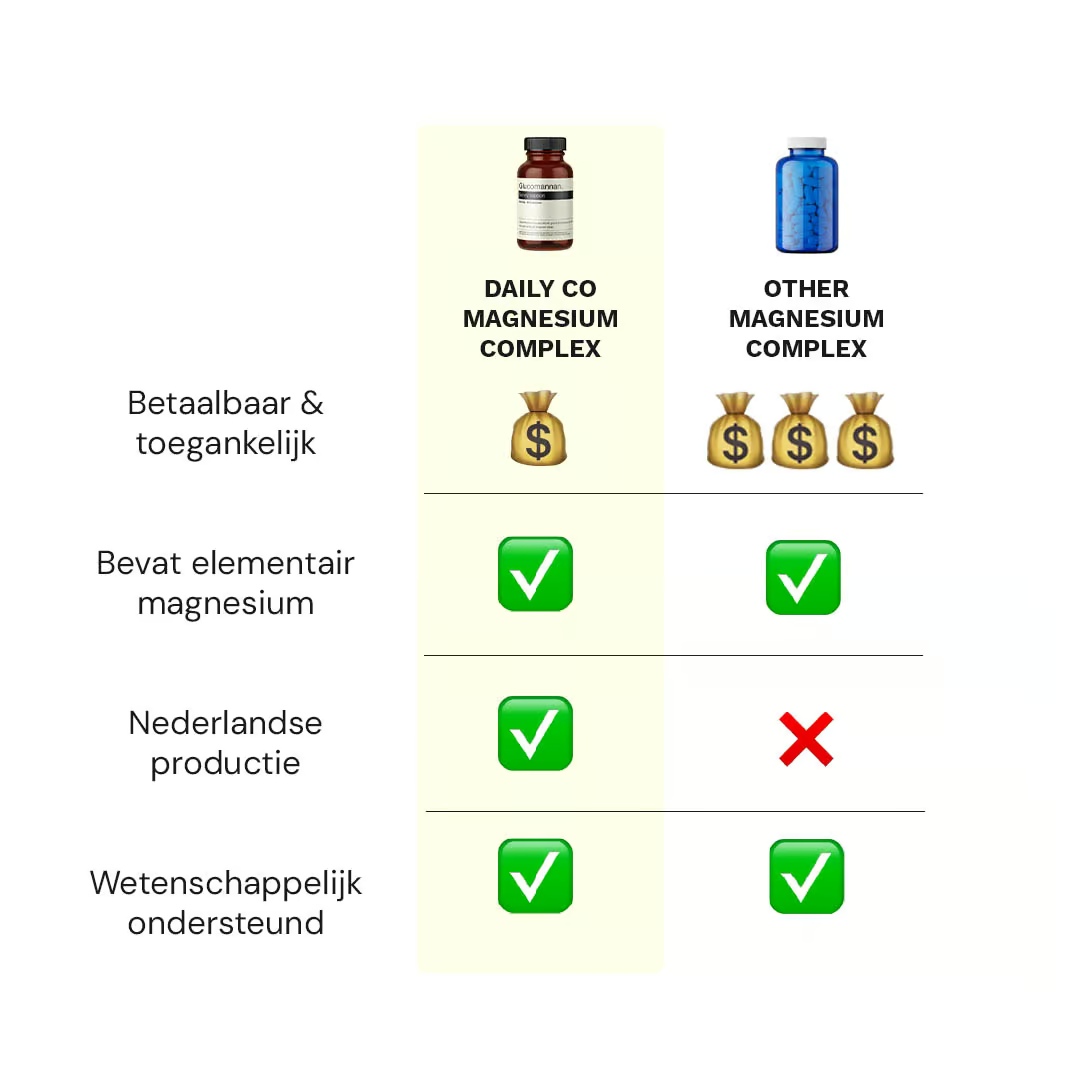
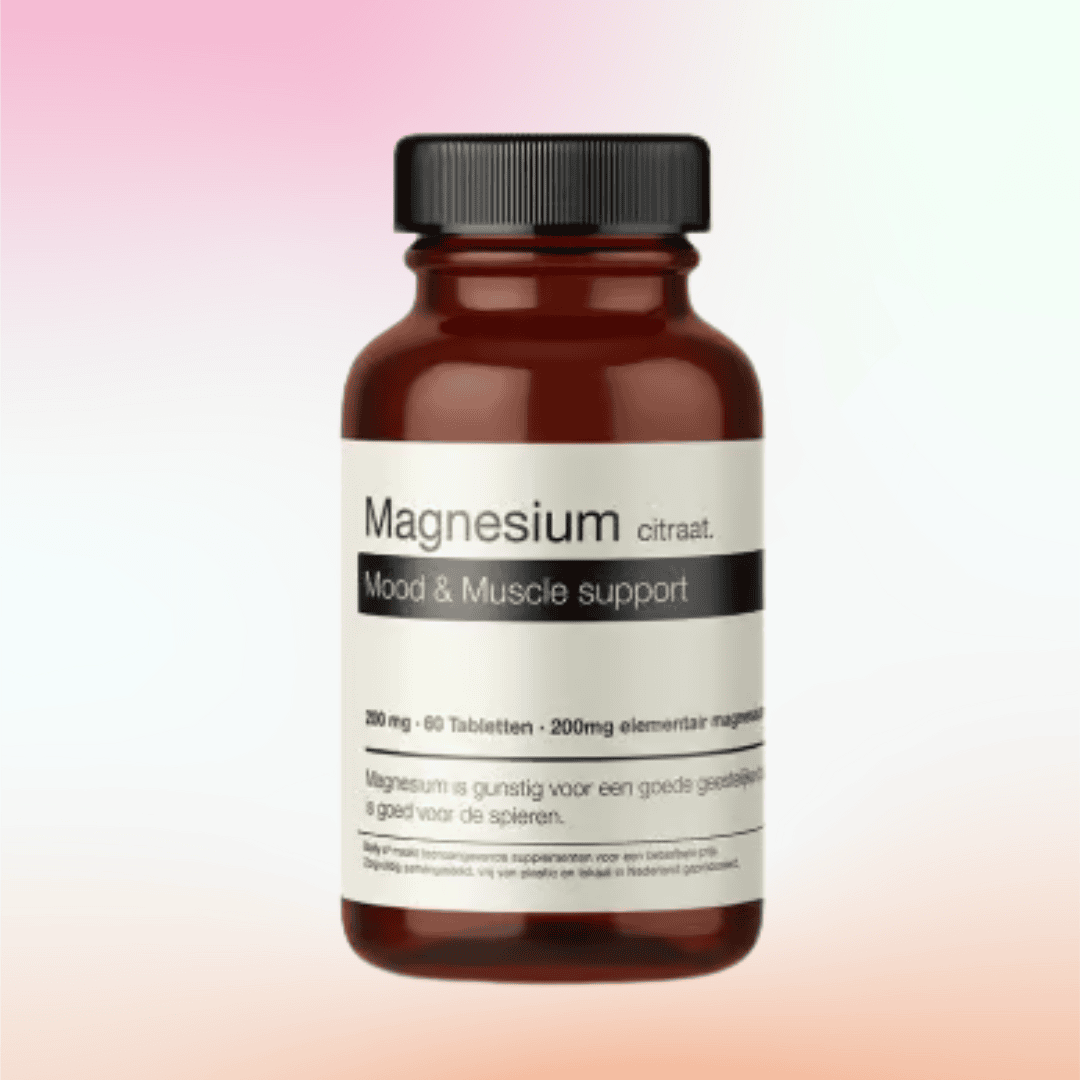
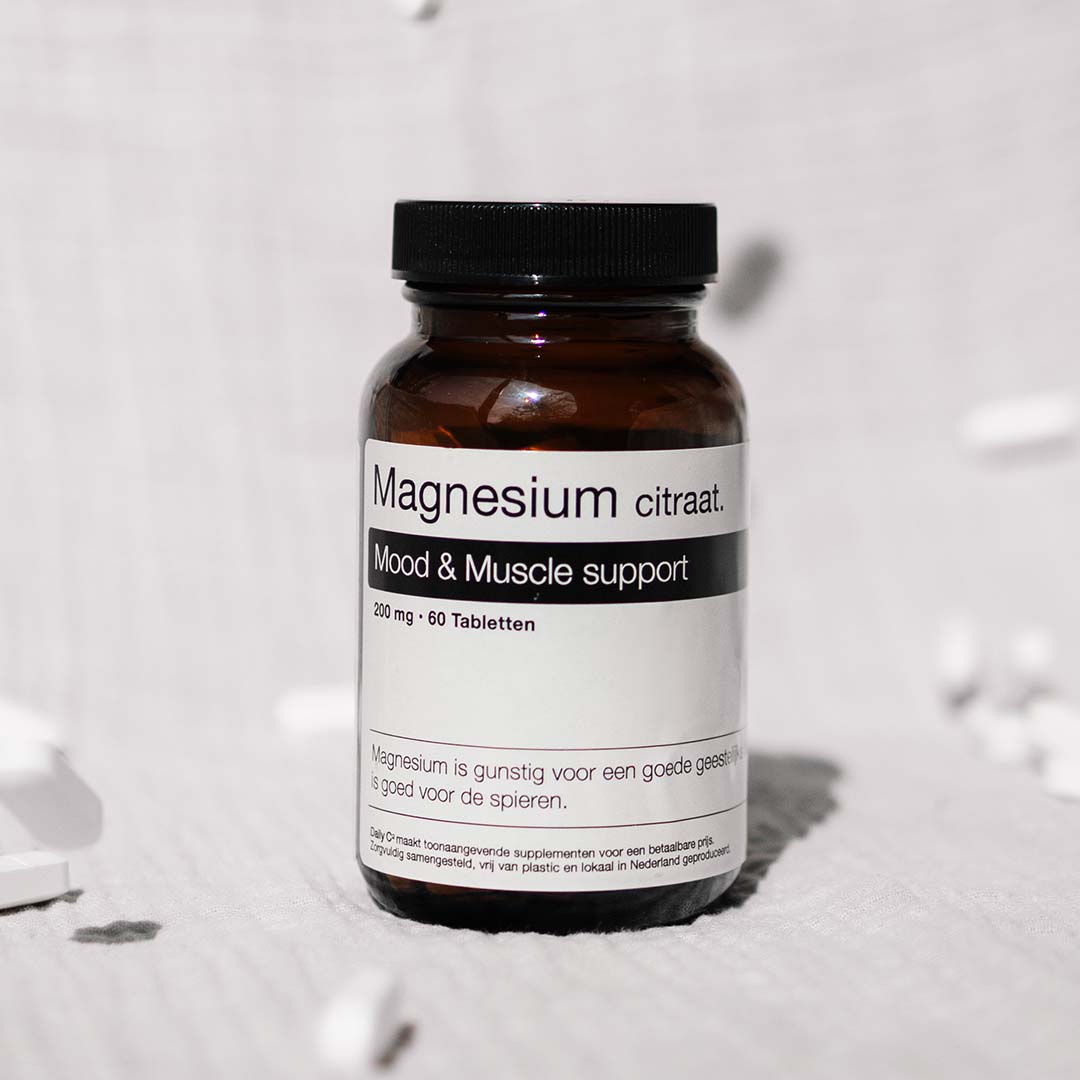
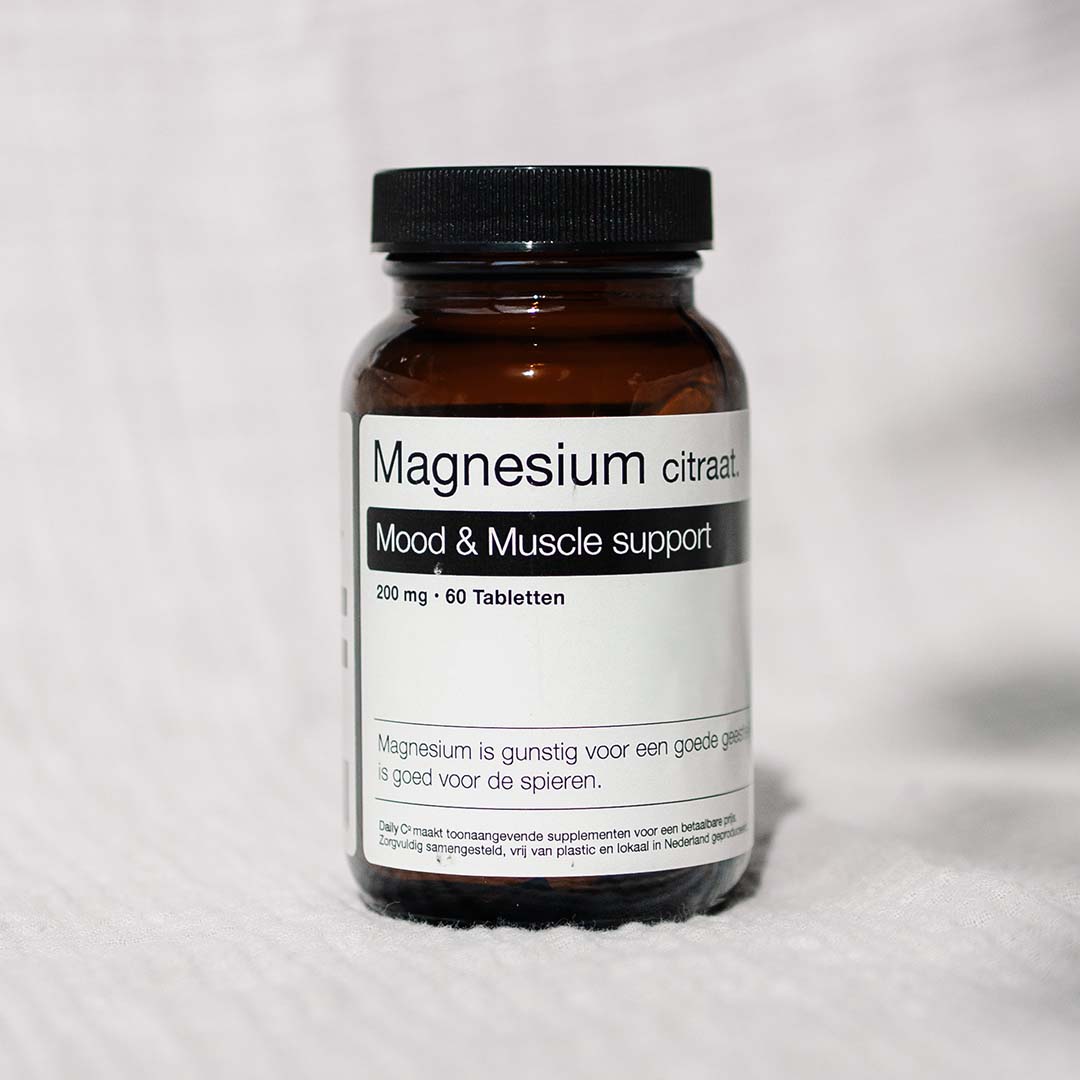
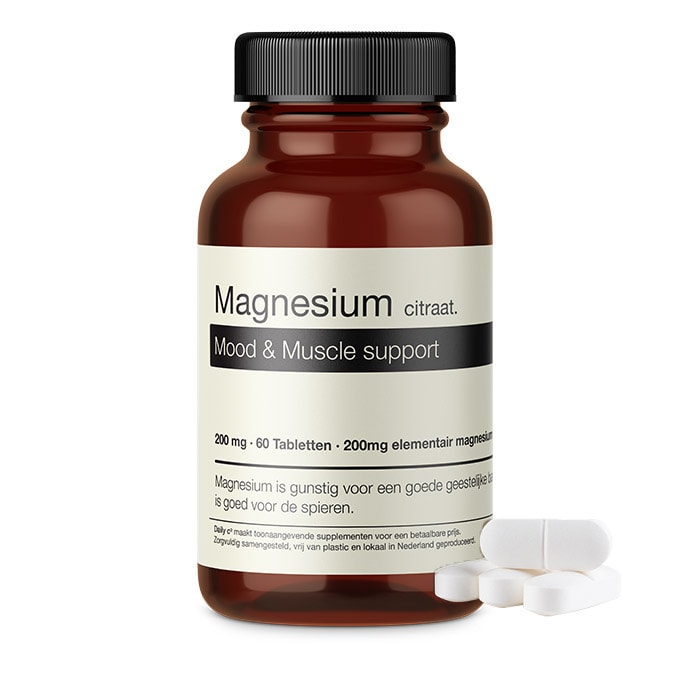
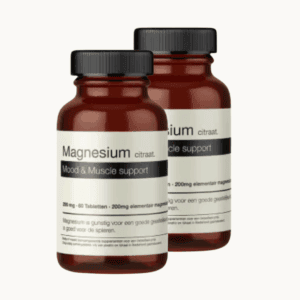
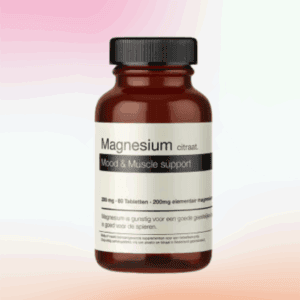
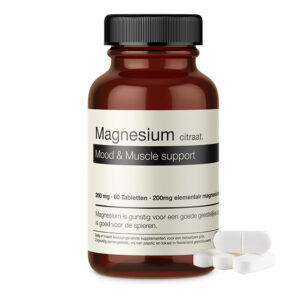
Daily Co Magnesium 200 Complex
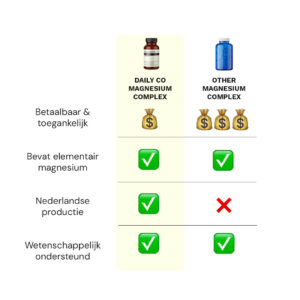
Good magnesium expensive? Really not! Daily Co contains the best absorbable form of magnesium (citrate) at an extremely soft price. Magnesium is important for the muscles, bones, brain, energy production, blood vessels and the heart.
What is magnesium good for?
Magnesium is a versatile mineral that is good for various processes in the body:
- Magnesium contributes to brain and nerve functions involved in concentration
- Magnesium contributes to the maintenance of strong bones and teeth
- Magnesium plays a role in maintaining flexible and strong muscles
- Magnesium plays a role in building body protein
- Magnesium contributes to the production of cells and tissues
- Magnesium contributes to extra energy in case of fatigue
- Magnesium contributes to a good electrolyte balance
Magnesium for athletes
Magnesium is also very popular with athletes because it supports muscles and helps with fatigue. Intensive training increases the magnesium requirement, which you can supplement with magnesium-rich food or a supplement.
Strong and healthy bones
Magnesium supports the construction and maintenance of strong, healthy bones. The mineral contributes to the bone structure and helps reduce the chance of fragility, which is important for an active and healthy life.
Positive mood
Magnesium plays a role in the regulation of mood and helps the body to deal with stress. By maintaining magnesium levels, the mood remains stable and positive.
Memory and concentration
Magnesium supports the cognitive functions of the brain. It contributes to better memory, concentration and learning performance, which contributes to sharpness and focus in daily activities.
Supports with fatigue
Magnesium not only contributes to the reduction of fatigue, but also plays a crucial role in energy metabolism, which helps us to feel more energetic.
The very best magnesium deal
Daily Co Magnesium Citrate is well absorbed by the body because it is an organic form of magnesium, which is more easily absorbed by the intestinal wall.
With this magnesium supplement, Daily Co proves that a well-absorbable form of magnesium does not have to be expensive at all.
So don’t pay too much, and discover this hidden gem! ✨
-
Best tested form (magnesium citrate)
-
Good for your muscles and memory
-
Yes! Lowest price in the Netherlands




Ingredients
Contains per tablet:
| Contains per daily serving (1 tablet) | Amount | %RI* |
|---|---|---|
| Magnesium (as citrate) | 200 mg | 53% |
*RI = Reference Intake (formerly RDA)
Ingredients:
Magnesium citrate, filler (MCC), binder (CMS-na), coating (HPMC), anti-caking agent (magnesium stearate).
Usage
Take 1 tablet with water 1-2 times a day, unless otherwise advised. Do not exceed the recommended daily amount.
Warnings
Store dry and at room temperature.
A healthy lifestyle is important, as is a varied, balanced diet, for which supplements are not a substitute.
Frequently asked questions
How does magnesium citrate work for muscle pain?
Muscle pain?
Why magnesium citrate can help you
- Faster muscle pain recovery; Magnesium ensures that muscles can relax more easily
- Nourishment of the muscles; magnesium is like a coach for your muscles. It ensures that muscles can contract and release properly.
- Essential mineral; magnesium is involved in numerous processes. Like a conductor for your body, it ensures that energy is released from food so that your muscles can use it.
What are the benefits of Daily Co magnesium?
Daily Co Magnesium is a dietary supplement that offers several health benefits. The supplement is rich in magnesium and comes in convenient glass packaging. Here are some benefits of Daily Co Magnesium:
- Non-GMO: Daily Co Magnesium is free of genetically modified organisms (GMOs). This means that the supplement is produced without the use of genetically modified ingredients. This is important for people who prefer natural and non-modified products.
- Gluten-free: The supplement is gluten-free, which is especially important for people with celiac disease or gluten intolerance. By choosing a gluten-free supplement like Daily Co Magnesium, people with these conditions can increase their magnesium intake without worrying about gluten reactions.
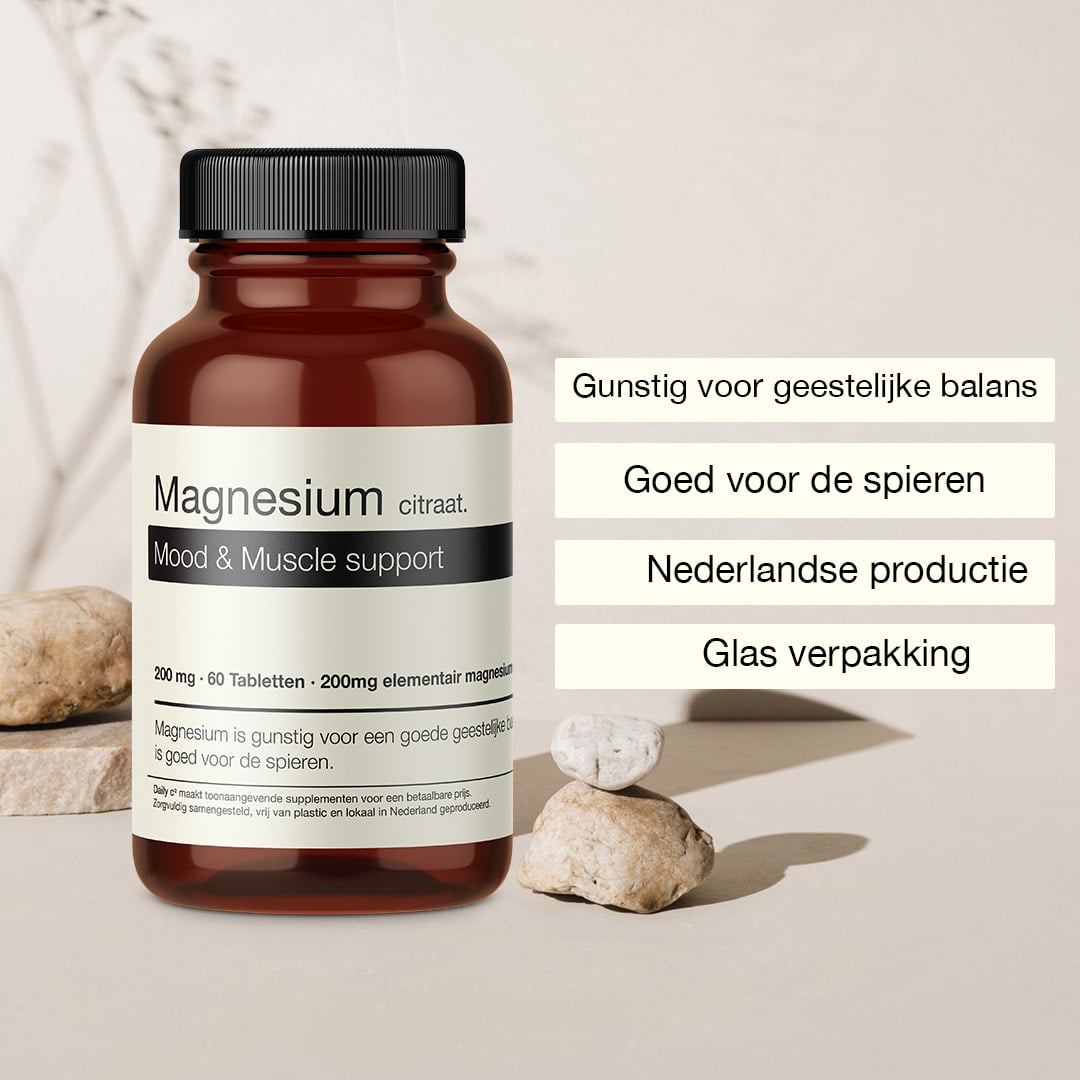
- High-quality glass packaging: Daily Co Magnesium comes in convenient glass packaging. Unlike plastic packaging, glass offers a number of advantages. It is recyclable, durable, and helps maintain the quality of the product by protecting it from light and air. In addition, glass can be used safely without the concerns about potentially harmful chemicals that can leach from plastic packaging.
- Magnesium benefits: Magnesium is an essential mineral that is involved in numerous processes in the body. It plays a role in supporting a healthy nervous system, muscle function, and bone health. In addition, magnesium can help regulate blood pressure, promote healthy sleep, and reduce stress and anxiety.
- Easy to take: Daily Co Magnesium comes in a convenient supplement form, making it easy to take. This makes it ideal for people who have difficulty swallowing large tablets or capsules. In addition, the dosage can be accurately measured and adjusted to individual needs.
In short, Daily Co Magnesium offers several benefits. It is a non-GMO and gluten-free supplement that comes in convenient glass packaging. By taking magnesium daily, one can benefit from the numerous health benefits that this essential mineral has to offer.
Which health claims are approved for magnesium?
- For brain function*
- With the natural form of vitamin B6 (p-5-p)
- Good for mood, memory and concentration*
- Unique binding of magnesium and the amino acid l-taurine
- L-Taurine enhances the effect of magnesium
- Magnesium form with high absorbability
- Magnesium plays a role in bone formation and the maintenance of strong bones*
- Helps maintain normal protein synthesis, energy-yielding metabolism and good electrolyte balance*
- Beneficial effect on the reduction of fatigue and listlessness*
How exactly does magnesium work for the muscles?
Magnesium is an essential mineral that plays an important role in various bodily functions, including muscle function. It has several effects on muscle function and health. Here are some ways magnesium works for the muscles:
- Muscle contraction: Magnesium is involved in regulating muscle contractions. It acts as a cofactor for enzymes involved in the release and reuptake of calcium in muscle cells. Calcium is essential for muscle contractions, and magnesium helps regulate the proper balance between calcium and magnesium in the muscles, which is crucial for proper functioning.
- Muscle relaxation: In addition to facilitating muscle contractions, magnesium also helps with muscle relaxation. It regulates the calcium flow in the muscle cells, allowing the muscles to relax after a contraction.
- Energy production: Magnesium is involved in the production and storage of energy in the body. It is a co-factor in many enzymatic reactions that produce ATP (adenosine triphosphate), the energy source for muscle contractions.
- Muscle development and recovery: Magnesium is important for muscle growth and recovery. It promotes protein synthesis, the processes by which proteins are made and repaired in muscle tissues, which is essential for muscle development and recovery after exercise.
- Reduction of muscle cramps: Magnesium supplements are sometimes prescribed to reduce muscle cramps. This is because a deficiency in magnesium can lead to excessive contractions of muscles, which can cause cramps.
Which foods contain a lot of magnesium?
Several foods naturally contain a lot of magnesium. Here are some examples of foods that are rich in magnesium:
- Green leafy vegetables: Spinach, kale, chard, and other green leafy vegetables are excellent sources of magnesium.
- Nuts and seeds: Almonds, cashews, peanuts, pumpkin seeds, chia seeds, and sunflower seeds contain significant amounts of magnesium.
- Whole grains: Whole wheat, brown rice, oats, and quinoa are good sources of magnesium.
- Legumes: Beans (such as black beans, kidney beans, chickpeas), lentils, and peas are rich in magnesium.
- Fish: Some fatty fish, such as salmon, mackerel, and halibut, contain magnesium.
- Avocado: Avocados are not only delicious, but also rich in magnesium.
- Bananas: These fruits are an easy and tasty source of magnesium.
- Dark chocolate: Pure chocolate with a high cocoa content contains magnesium, but be moderate with eating it due to the high fat and sugar content.
- Dairy products: Milk, yogurt, and cheese also contain some amounts of magnesium.
It is important to follow a varied and balanced diet to get enough magnesium and other essential nutrients. If you have trouble getting enough magnesium from food sources, you can also consider using a magnesium supplement, but always do this in consultation with a healthcare provider to determine the correct dosage and avoid any interactions with other medications.
What are the side effects of magnesium?
Magnesium is generally safe when taken through food or supplements, but it can cause side effects in some cases, especially when using high doses of magnesium supplements. Most people get enough magnesium from food, and side effects are rare if you don’t go much higher than the recommended daily amount. Here are some possible side effects of magnesium:
- Stomach complaints: Taking too much magnesium can cause stomach complaints, diarrhea, or bloating, especially with some forms of magnesium supplements that can have a laxative effect.
- Nausea and vomiting: Some people may feel nauseous or vomit after taking magnesium supplements.
- Decreased absorption of other minerals: Excessive intake of magnesium can reduce the absorption of other minerals, such as calcium, zinc, and iron. This can have a negative effect on the overall nutritional balance.
- Low blood pressure: Magnesium can lower blood pressure, so people who already have low blood pressure should be careful when taking high doses of magnesium.
When should I take magnesium?
The best time to take magnesium is with a meal or before going to bed, as it helps with relaxation and muscle recovery.
Is a magnesium complex safe to use daily?
Yes, daily use of magnesium within the recommended dosage is safe. Always consult a doctor if you have specific health problems.
How long does it take before I notice results?
This varies from person to person, but most people notice improvement within a few days to weeks.
Can I take magnesium during pregnancy?
Magnesium is generally safe during pregnancy, but always consult a doctor before starting supplements.